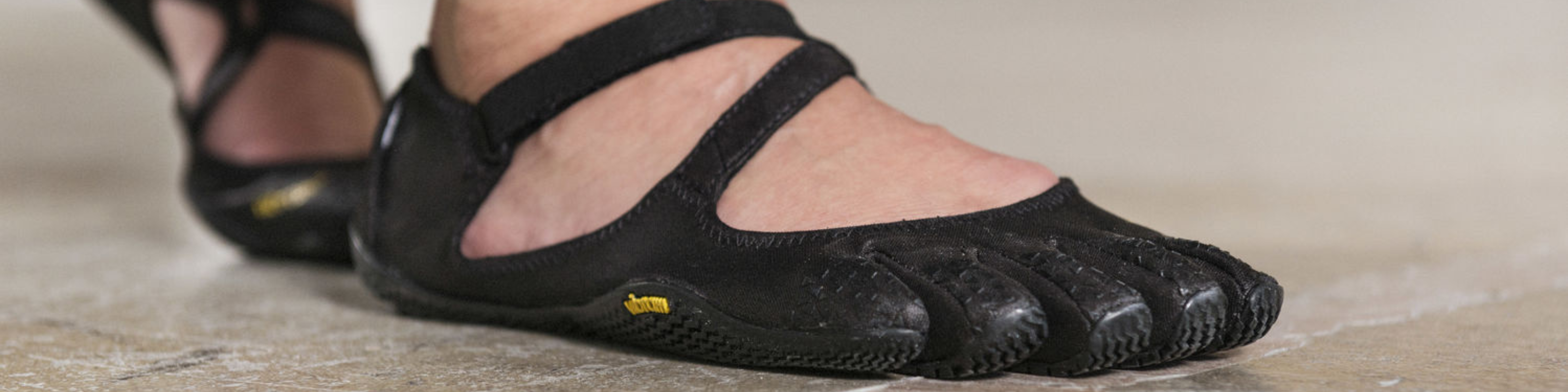
Barefoot hiking boots: Advantages, disadvantages and the best models
Hiking is one of the best ways to reconnect with nature – but it can also be hard on the body, especially when your feet feel cramped, cramped, or overly supported. That is one of the reasons barefoot hiking boots have become so popular in recent years. More and more hikers are discovering that a flexible, foot-shaped boot can not only feel more comfortable, but also more natural over long distances.
But are barefoot hiking boots really a good idea? And how do they compare with traditional hiking boots?
In this guide, we’ll explore the main pros and cons of barefoot hiking boots, who they’re best suited for, and which models are worth considering.
What are barefoot hiking boots?
Barefoot hiking boots are boots designed to let your feet move naturally while still protecting you from the weather, rocky ground, and uneven terrain.
Unlike traditional hiking boots, barefoot hiking boots typically have:
- Wide toe box for natural toe splay
- Zero-drop sole (no raised heel)
- Thin, flexible sole for good ground feel and mobility
- Minimal arch support, so the foot can function naturally
In short, they aim to give you the feeling of hiking barefoot – but with protection, grip, and durability.
Benefits of barefoot hiking boots
1. Better toe freedom and comfort
One of the most noticeable benefits is the wide toe box. On long hikes, feet naturally swell. In narrow hiking boots, this swelling leads to rubbing, black toenails, blisters, and sore joints.
Barefoot boots give your toes room to spread, which supports both comfort and stability.
2. Improved balance and natural stability
Traditional boots often rely on stiff soles and high ankle collars to create stability. Barefoot boots take a different approach: they improve stability by letting the foot work properly.
Because the sole is flexible, your foot can adapt more naturally to uneven ground — which often improves balance over time.
3. Stronger feet over time
Barefoot hiking boots encourage the activation of foot muscles, tendons, and ligaments. Over time, this can contribute to stronger arches, improved ankle strength, better walking mechanics, greater resilience on long hikes, etc.
Many hikers report that they feel less “dependent” on heavy boots once their feet have adapted.
4. More natural posture
Most traditional hiking boots have a raised heel or thick cushioning that changes the body’s posture. Barefoot boots use a zero-drop design, which can help promote a more natural posture and gait.
For some hikers, this results in less strain on the knees over long distances – but adaptation is key.
5. Lightweight feel
Barefoot hiking boots are often much lighter than classic hiking boots. This matters more than people realize: heavy boots can increase fatigue, especially on hikes lasting several days.
A lighter boot can feel like hiking with less effort.
Downsides of barefoot hiking boots
1. They require a transition period
This is the biggest drawback for beginners.
If you’ve worn stiff, cushioned hiking boots for years, barefoot hiking boots can feel very different. Your calves, Achilles tendons, and foot muscles need time to strengthen.
If you switch too quickly, you may experience soreness or overuse injuries.
2. Less shock absorption on hard surfaces
Barefoot boots do not absorb impact in the same way as traditional boots. On rocky trails or long gravel paths, some hikers find this challenging at first.
Others, however, prefer the increased awareness of the ground and say it reduces “clumsy steps” on technical terrain.
3. Not ideal for heavy backpacking (for some people)
If you carry a very heavy backpack, your body may benefit from extra protection or support – especially if you’re not yet used to minimalist footwear.
Barefoot boots can still work for backpacking, but they’re best introduced gradually, and many hikers prefer them for lighter loads or after strengthening their feet.
4. Fewer waterproof options
Although the market is growing, waterproof barefoot hiking boots are still less common than traditional Gore-Tex boots. Some barefoot boots are water-resistant rather than fully waterproof.
This can be a deciding factor in wet climates or winter conditions.
Who should consider barefoot hiking boots?
Barefoot hiking boots can be a great choice if you: want a wide toe box for comfort and swelling, get blisters or pressure points in traditional boots, prefer natural movement and flexibility, want stronger feet and better stability in the long term, hike medium distances or multi-day routes, etc.
They can also be excellent for people transitioning to barefoot footwear through walking and hiking instead of running.
The best barefoot hiking boot models to consider
Since barefoot footwear varies widely between brands, it’s important to choose a boot that matches your hiking needs: weather, terrain, and distance.
Here are some well-regarded models and styles you may want to consider.
1. Lightweight barefoot hiking boots (best for mixed terrain)
Many hikers prefer a lighter boot that combines flexibility with good traction. A good example in this category is Lems Summit. It is often appreciated for its natural fit, solid grip, and boot-like feel without the heavy stiffness of classic hiking boots. For hikers who want a practical all-rounder, it’s a very capable option.
2. Boots for everyday use and hiking (best for travel + hiking)
Some hikers want a boot they can use both for hiking and everyday wear – especially for long travel adventures like the Camino or trips across multiple countries.
Lems Boulder Boot Grip fits perfectly into this category. It has a comfortable, foot-shaped design with improved traction compared with the standard Boulder Boot, making it a solid choice for hikers who want a boot that works both on trails and in town.
3. Waterproof barefoot hiking boots (best for wet conditions)
If you hike in rainy climates, it’s worth prioritizing a waterproof barefoot boot. Look for boots marketed with waterproof membranes, sealed uppers, and trail-ready tread.
These boots can be harder to find in barefoot form, but they’re ideal for winter hikes, muddy terrain, and unpredictable conditions.
4. Rugged barefoot boots (best for technical trails)
For mountain and rocky hikes, durability matters. Here you’ll want: strong tread and grip, reinforced toe protection, secure lacing system, enough flexibility without feeling flimsy, etc.
Some rugged barefoot boots can handle technical trails extremely well – but they’re best for hikers already used to minimalist footwear.
Tips for hiking in barefoot boots
If you want to enjoy barefoot hiking boots safely, preparation matters.
A few smart tips:
Start with short hikes on easy terrain before taking them on long routes. Strengthen your calves and arches with simple exercises such as calf raises and toe raises. Consider using toe socks to help prevent blisters and improve toe spacing. And most importantly: listen to fatigue. If your feet feel overworked, cut the distance and build up slowly.
Final thoughts
Barefoot hiking boots can be a game-changer for comfort, stability, and long-term foot strength. They give your toes freedom, encourage natural movement, and often feel lighter and more flexible than traditional hiking boots.
They’re not perfect for everyone – and they do require a transition period – but for hikers who value natural movement and foot health, they can offer a more connected and comfortable hiking experience.
And if you’re looking for reliable models to explore this style of hiking, boots like Lems Summit or Boulder Boot Grip are often considered great options thanks to their practical design, natural fit, and trail-friendly performance.